
Forum Replies Created
-
AuthorPosts
-
 AndrewKeymaster
I’m here every step of the way Nick. Don’t hesitate to ask for help if you need it and happy playing!
AndrewKeymasterWelcome Chaz! Looks like we are Atlanta Neighbors 🙂 I hope you enjoy the lessons, don’t hesitate to email me or post on our forum if you have any questions.
October 2, 2017 at 12:17 pm in reply to: Participate in the October 2017 Member Challenge – Halloween Themed ($300 Prize) #13888AndrewKeymasterAwesome job ser_ser! I made a video with two pointers for you, let me know if you have any questions 🙂
AndrewKeymasterMy pleasure Steve! While nails produce a beautiful tone, the same is true without them; And they are not required to produce volume. Keep me in the loop with how you’re doing, I’m happy to help!
October 2, 2017 at 11:53 am in reply to: The Accountability Thread – Participate in the September 2017 Member Challenge #13886AndrewKeymasterWe can keep this one going 🙂
October 1, 2017 at 11:44 am in reply to: The Accountability Thread – Participate in the September 2017 Member Challenge #13881AndrewKeymasterGreat job Kay! It’s totally fine to use the pinky as an anchor, but I wouldn’t use it to support the ukulele. We’ve got some tips on holding it in the Beginner’s Course.
My pleasure Rickey! Give the beginner lessons in the Fingerpicking Course a shot, those will definitely help!
—-
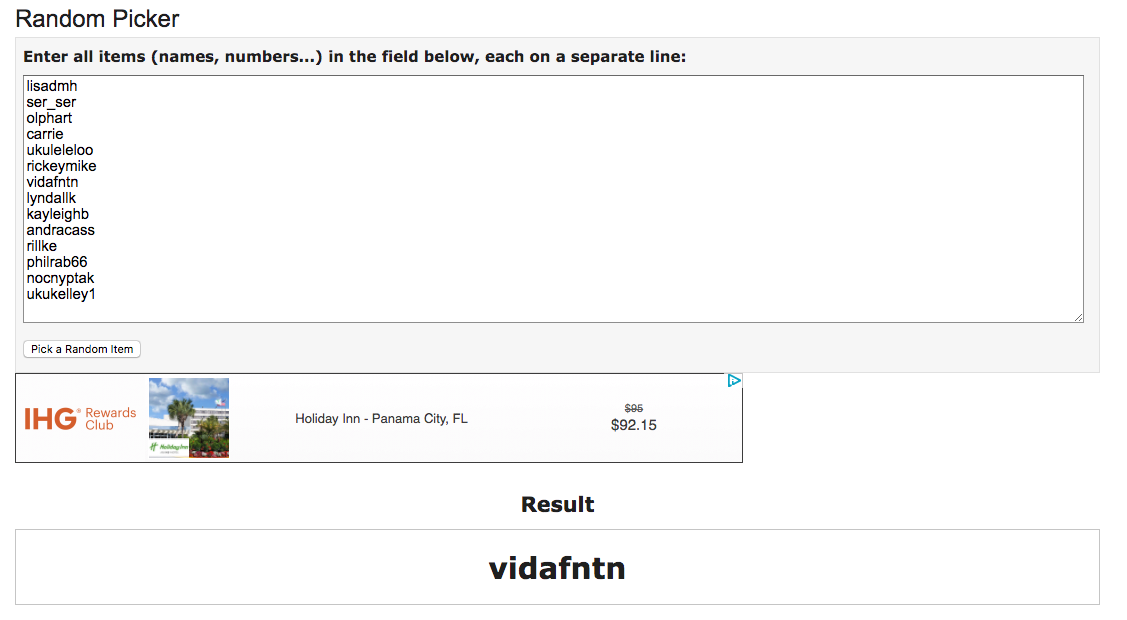
I want to thank everyone who participated in this month’s challenge. This was our hardest challenge to date, requiring the most effort on your part. I’m proud of all of you and am impressed by everyone’s progression!
For the prize, I included everyone who posted at least twice throughout the month. If you haven’t posted your final update, please do. I’d be happy to offer advice 🙂 Remember, the big takeaway from this month and every challenge is that we’re improving and supporting one another as a community. Great job everyone! And congrats to our winner:
 September 30, 2017 at 2:36 pm in reply to: The Accountability Thread – Participate in the September 2017 Member Challenge #13877AndrewKeymaster
Awesome Margo! Please share the video, even if it’s past the deadline 🙂
September 30, 2017 at 2:30 pm in reply to: The Accountability Thread – Participate in the September 2017 Member Challenge #13876AndrewKeymasterExcellent job James! Timing is spot-on and the BackBeat sounds great. The only suggestion I have for you is that the second to last strum in each measure falls on an upbeat (& of 3). A good rule of thumb is to strum down on the downbeat (1 2 3 4) and up on the upbeat (&’s). Overall, very well played! This is a great Rhythm skill to have, good job!
AndrewKeymasterWelcome Nick! Your guitar playing will definitely help in learning the ukulele as there are many similarities between the two instruments.
So just about every week I get asked “where do I start?”. To answer that question and two other big questions: “what do I work on?” and “how do I know I’m proficient as a beginner, intermediate, an advanced player?”; I’ve created Learning Paths – a step-by-step guide organizing which lessons to work on from our site to help you develop as a musician and player.
This guide will come out as next Friday’s lesson, but I’m going to go ahead and private message you the link so you can get a head start. To access the private message, highlight your name on the top right of the webpage. A Dropbox will appear then navigate to messages, then inbox.
There will also be a video release next Friday highlighting the beginner player. This video is not included in the guide I’m sending you. So keep an eye out for that video next Friday. Let me know if you have any questions on the guide.
As far as working on the Blues, here’s a link to all of our Blues lessons: https://rockclass101.com/blues-songs/. I would suggest to tackle these two first:
12 Bar Blues Strumming – Strumming
Uke Blues – Blues LicksAnd if you need to brush up on the blues form, check out this lesson: https://rockclass101.com/understanding-the-12-bar-blues-form/
September 30, 2017 at 12:43 pm in reply to: The Accountability Thread – Participate in the September 2017 Member Challenge #13869AndrewKeymasterHi Vida, I had to delete your image, as that sheet music is a premium member asset only. But, I did take a look at it and can suggest that bars 7 and 11 would (not counting the pickup bar) need a rewrite as they are very hard to play. Everything else sounds great and plays fine.
Excellent job Rickey! I feel you on the not wanting to play it anymore, I too feel like after extensively practicing a piece! That transition is fine now, good work on that. I would continue to work on your dexterity of the left hand. Sometimes you use one finger to play multiple notes in a phrase, but using more than one finger would be more efficient. Overall, the piece sounds really pleasant, and you played it very well!
Wow, that was fantastic ser_ser! The feel of the first five melodies is spot-on, very very well played. I would focus your attention to the last three melodies. If you can play this song that well with limited practice, imagine what you could do if you set up a structured practice schedule to tackle it.
AndrewKeymasterThanks for posting this video Steve! I made a video to give you some ideas on what to work on in regards to you your playing technique and song suggestions. Let me know if you have any questions 🙂
 September 28, 2017 at 4:50 pm in reply to: The Accountability Thread – Participate in the September 2017 Member Challenge #13849AndrewKeymaster
I’m proud of you Vida, that was awesome! You are doing a great job and I continually hear you improving. Btw, bonus points for that practice schedule, very well thought out!
I think some of the areas that you struggled in was due to work around fingerings that you imposed. For example, bar 11 and 12 – it’s much easier if you play out of the full bar chord.
Now this is hard because it requires a lot of finger strength and as you’re playing a larger instrument, that requirement is amplified. If you go back and watch how I play it and teach it, notice how my way has a lot less movement than yours. When we tackle difficult songs like this one, we always want to approach playing in the easiest way possible, or the least amount of work. And this was a tip I learned from watching tutorials from the greats, specifically Joe Pass.
As far as the issue with the pinky finger, the best exercises I can direct you to are found in the lesson for Increasing Left Hand Reach.
Truly great job this month! I’m looking forward to seeing everyone else’s results 🙂
AndrewKeymasterHi Steve,
Can you post a video of you playing so I can get a feel for where you’re at? That way, I can suggest some songs for you to work on. In the meantime, I’m planning to add more beginner level songs in the next few months which you guys are beginning to see as I added the “Lullaby Medley” last week and tomorrow will be the theme to “The Addams Family” (link will be active on 9/29).
I’ll add your request for “City Of New Orleans” to my list and feel free to email me more requests 🙂
September 25, 2017 at 8:38 pm in reply to: The Accountability Thread – Participate in the September 2017 Member Challenge #13809AndrewKeymasterI think it sounds great! I can hear the hoarseness in your voice, but I’m glad you’re feeling better!
Your rhythm hits are on two and four and your timing is fine throughout. Having the hits on two and four keep the rhythm feel flowing. I don’t think you need to change anything.
And I dig the two bar break with the harmonic 🙂 By the way I like the song, I’ve never heard it before, who is it by?
September 25, 2017 at 6:33 pm in reply to: The Accountability Thread – Participate in the September 2017 Member Challenge #13807AndrewKeymasterHi Lyndall, looks like the video isn’t working. It might be set to private?
-
AuthorPosts