
Forum Replies Created
-
AuthorPosts
-
February 7, 2019 at 1:28 pm in reply to: Participate in the February 2019 Member Challenge – Music Reading Course! #24937
 AndrewKeymasterFebruary 6, 2019 at 3:33 pm in reply to: Participate in the January 2019 Member Challenge – You Decide What To Work On! #24922AndrewKeymaster
Big thanks to everyone who participated this month! It was super cool to see you guys working on so many different areas of playing. Without further ado, the winner of the Skype lesson is:
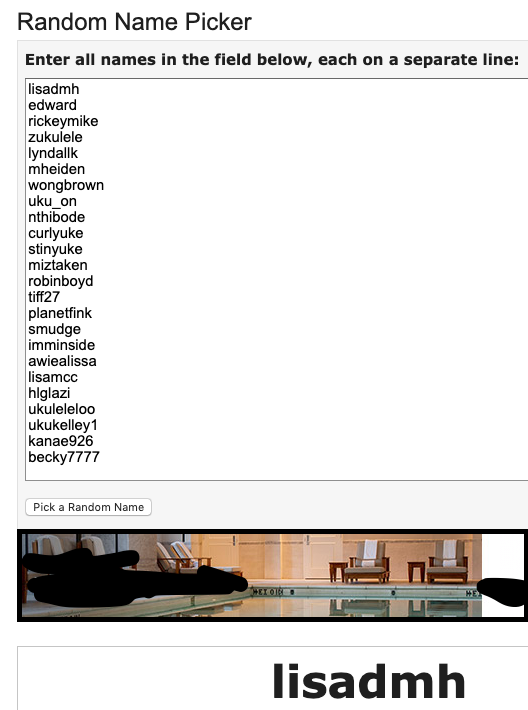
Our February challenges is LIVE: https://rockclass101.com/february-2019-challenge. Hope to see you guys there!
—-
Here is everyone on page 13.
ukuleleloo – great job on the speed, and I really like that you played softer at times, so dynamics sounded great to me. What I would focus on is keeping the tempo steady. And the trick with the tap is a lightning fast, precise hit. If you watch your second performance, your tap needs a quicker hit. That should make it ring out.
ukukelley1 – Here is a video with some tips for you 🙂
kanae926 – That was a fantastic take! And you nailed the harmonic 🙂 I’d target your practice on the ending section that adds the thumb tap. Practice slow and focus on clarity, then go back and add the preceding part, but keep the tempo steady.
becky7777 – That’s a very pretty tune. The trick with slides is to keep pressure applied why you slide, and to slide smoothly from the starting fret to the ending fret. So if you’re sliding from 5 to 7, you want to slide over 6, not lingering on it, but passing through it. We’ve got a lesson on slides in our Beginners Course where this is shown and explained in detail if you need a recap.
February 6, 2019 at 12:08 am in reply to: Participate in the January 2019 Member Challenge – You Decide What To Work On! #24917AndrewKeymasterHere is everyone on page 12.
hlglazi – cool to see you write your own arrangement. That’s the Metallica song that plays off the open strings on the guitar, which if we wanted to stay in the same key, we could replicate via a higher voiced Em: 9777. Of course after the intro lick, adding the melody would be quite tricky as it would be the past the 12th fret on the A string. Instead what I would have done, is change the key to Am. Then you could play in roughly the same position as the guitar, just a different key.
planetfink – Here’s a video to help with HO/PO. And check out our Theory and Jamming Course to learn 2 approaches for soloing.
smudge – well done! So the hard thing about this one is the timing, and it’s really my fault, I played it extremely loose, practically free time. This one and “Something” were the two performances that made me put an emphasis on keeping a steady beat with future arrangements.
Since your focus was on adding a backbeat, try an arrangement that stays more in time, like “I’m Yours”. Timing would be my next focus for you.
imminside – dude, watching your progress has been so much fun! And I love that song! Percussion and timing sound spot on, great job. I get the feeling that you were inspired by:
awiealissa – ohh!! I like how you have multiple strum attacks, 1 straight, 1 arpeggiated. Doing that helps to add different textures to different chords. Your fingerpicking patterns are intricate, yet not overly busy. You also have great use of dynamics. The only thing I’d work on, and I told you before, is to relax more. You can see the tension in your hands at times, which unfortunately translates to what we hear. Focus on the latter and you’ll be unstoppable.
lisamcc – Wow, bravo! That was amazing 🙂 I remember recording this performance, I was at the peak of right hand forearm pain. Those were the days before I went to PT and got dry needled. I’m amazed I did as well as I did under the circumstances. BUT, it def was not my cleanest playing.
As you find out, it’s a really hard song to play. Kudos to anyone who tackles it. Target your practice to the areas at the end that were tricky, but overall, really well done!
February 5, 2019 at 10:01 pm in reply to: Participate in the January 2019 Member Challenge – You Decide What To Work On! #24916AndrewKeymasterLol Robin – I’ve only seen 2 MP movies: Holy Grail and Life of Brian. I’m still afraid of Rabbits hahaha
February 5, 2019 at 2:33 pm in reply to: Participate in the February 2019 Member Challenge – Music Reading Course! #24911AndrewKeymasterHi Korey,
You can only do the arrangements that are contained in the course.
For ex, the course has a lesson on:
But, we also have a chord melody arrangement of Ode to Joy found in the Ukulele Songs Series. You can not do the latter.
You can swap out a low G, although adjustments to the nut may have to be made. In the first post, I listed the songs from the challenge that do not require a low G to be played.
AndrewKeymasterHe’s a great musician, enjoy!
AndrewKeymasterAwesome list, we’re on it! 🙂
February 4, 2019 at 9:00 pm in reply to: Participate in the January 2019 Member Challenge – You Decide What To Work On! #24886AndrewKeymaster@annefgodfrey – asked about triplet picking and strumming in FP Etude 10.
Lesson on 8th Note Triplet Rhythm
Jake’s lesson on triplet strum
—-
deadbuggy – so I watched your video before reading what you wrote. One thing you wrote about, was going to be what I was going to comment on, which is left hand reach. I’m sure you’ve seen it, but this lesson will help. But the big thing about it, is that you need to continually do the exercises over months – at least 3 months before seeing any improvement.
The other thing I wanted to point out is that sometimes your rhythm blurs. Make sure that you don’t rush parts into each other. Overall you did a great job!
—-
Here is everyone on page 11.
nthibode – Interesting what you wrote… Chopsticks was the better performance. The feel was effortless, just as I remember on your Christmas tune. Not that Etude 13 was bad, it wasn’t. But notice how your feel isn’t as relaxed. That’s what I’d work on for 13.
curlyuke – Great job, this feedback will be for the exercise. Note clarity sounds fine, but the big then you want to work on is timing, as you started fast and then slowed down. Definitely practice this exercise with a metronome or the on-screen tab viewer.
stinyuke – This feedback is for Canon. The big thing with this song is sustain, which you absolutely nailed. One thing to watch out for happened at about a minute in. You flubbed a note, then played it again, in essence restarting the phrase. Always play through your mistakes, never restart. This is great practice especially if you ever play in an ensemble.
miztaken – Here is a video with some feedback for you.
robinboyd – Well you laid out everything I would have mentioned in points 1 and 2, LOL. That was seriously cool though, and I dig the fingerpicking pattern. I don’t think I can offer any advice for memorizing lyrics, I basically know the words to happy birthday and that’s it 😀
tiff27 – What’s a cute song, is it from Steven Universe? You did really well, that was fun to listen to! The sections that tripped you up, target your practice on them. Follow the three steps laid out in our practice guide for those sections and you’ll get it down in no time 🙂
February 4, 2019 at 1:03 pm in reply to: Participate in the January 2019 Member Challenge – You Decide What To Work On! #24872AndrewKeymaster@nthibode not yet. Want to finish leaving feedback first. Gonna try and work on it tonight or tomorrow.
AndrewKeymasterI’d work on 2 things:
2) the song – just the notes/chords. But go section by section, as outlined in our practice guide.
You really want to understand the rhythm of what you are playing, that will help you feel when the tap happens, which is on beat 2 and 4.
January 31, 2019 at 12:01 pm in reply to: Participate in the January 2019 Member Challenge – You Decide What To Work On! #24801AndrewKeymasterHi guys! Sorry to be MIA – since returning from NAMM, I’ve been bed ridden with the flu. It’s been a blast (not). So Stephen will get us started on feedback soon.
FYI: I’m seeing 18 second posts submitted (with 40 members participating on this thread – so a bit under half are in), to be entered into the Skype drawing and to receive feedback, you must submit your second post by 11:59pm EST tonight. This year we are adhering to strict cut-offs.
AndrewKeymasterYes, Becky. Check out the 2nd video in LP and jump 12 min into it: https://rockclass101.com/learning-paths/
AndrewKeymasterStephen, Katie and I are seeing Cynthia Lin’s show Thur night in LA if anyone’s interested in going: https://www.facebook.com/events/1258112107684854/. 🙂
January 22, 2019 at 6:23 pm in reply to: Participate in the February 2019 Member Challenge – Music Reading Course! #24232AndrewKeymasterReleasing this one early, since it’s tied to our Reading Course 🙂
AndrewKeymasterLOL, I don’t think I can help you there! But the good news is the majority of our lessons have videos 🙂
-
AuthorPosts